

Day 1: Establish the baseline
Take one realistic timed diagnostic. Record score, attempts, accuracy, unfinished questions and performance by reasoning area. Your aim is to identify the cause of lost points, not to impress yourself with a first score.
Day 2: Numerical foundations
- Refresh percentages, ratios, fractions, averages and basic sequences.
- Practise without a calculator if your assessment prohibits one.
- End with a short mixed sprint and record calculation errors separately from reading errors.
Day 3: Verbal and logical recognition
- Practise analogies, vocabulary in context and short sentence completion.
- For logic, distinguish must-be-true conclusions from plausible assumptions.
- Write a one-line rule for every recurring mistake.
Day 4: Spatial patterns
- Track rotation, reflection, count, position and shading one feature at a time.
- Use an anchor point rather than comparing the whole figure at once.
- Combine spatial items with other question types at the end of the session.
Day 5: Speed and selection
Run several short mixed sets. Practise the three decisions: solve, eliminate or move. Review correct-but-slow questions because they reveal methods that are technically sound but too expensive under the real clock.
Day 6: Full simulation and review
Use the exact format you expect: 50 questions in 15 minutes for CCAT or the relevant 12-minute cognitive format for Wonderlic. Recreate the permitted tools and quiet environment. Spend at least as long reviewing the simulation as taking it.
Day 7: Light rehearsal and test readiness
- Review your error rules and mental-arithmetic facts.
- Complete one short, comfortable warm-up—not an exhausting marathon.
- Confirm your device, location, invitation details and permitted materials.
- Stop early enough to protect sleep and attention.
On the final day, confidence should come from a repeatable process—not from cramming one more full test.
End-of-plan mixed challenge
Use these four mixed questions as a short review checkpoint. Focus on method choice and composure, not only the final score.
A box of 8 snack bars costs $20. Customers buying 3 or more boxes receive a 10% discount on the total. A 5% tax applies after the discount. What is the final amount a customer pays for 3 boxes?
The advertisement used _____ claims that sounded impressive but were difficult to _____.
If the code of a word is the sum of the alphabet positions of all its letters, what is the code for BEE?
Study the pattern. Which design comes next ?
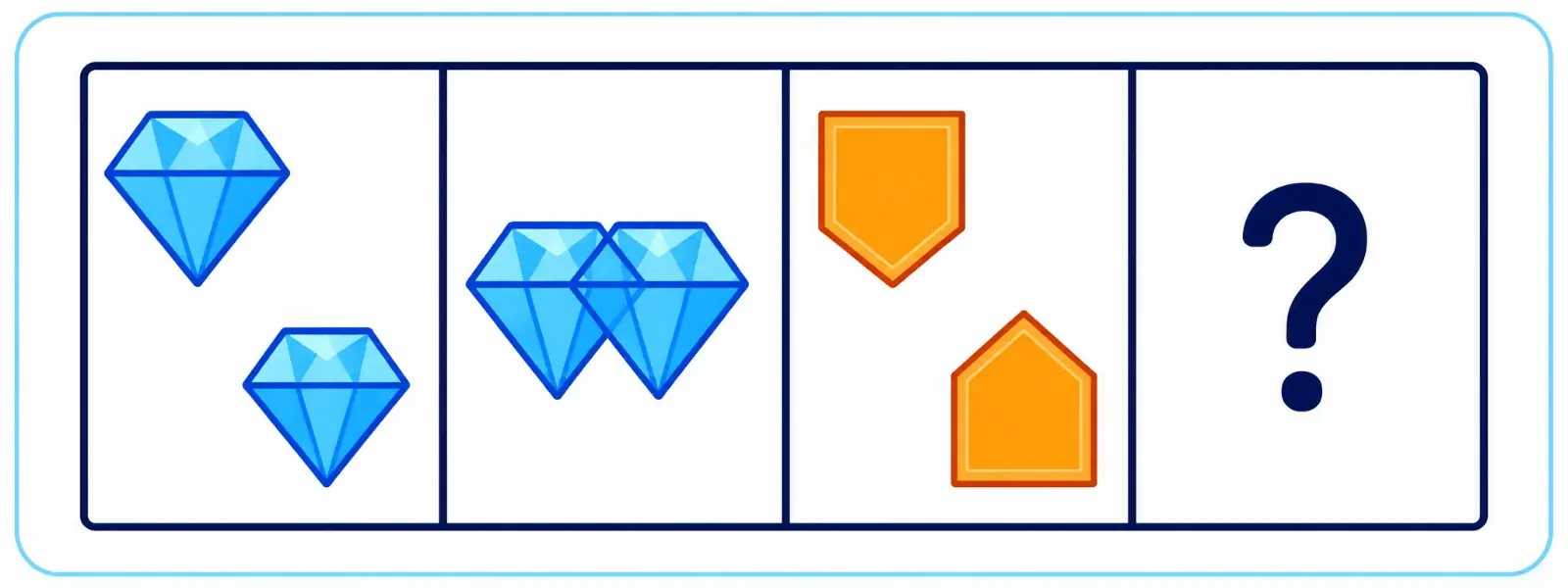
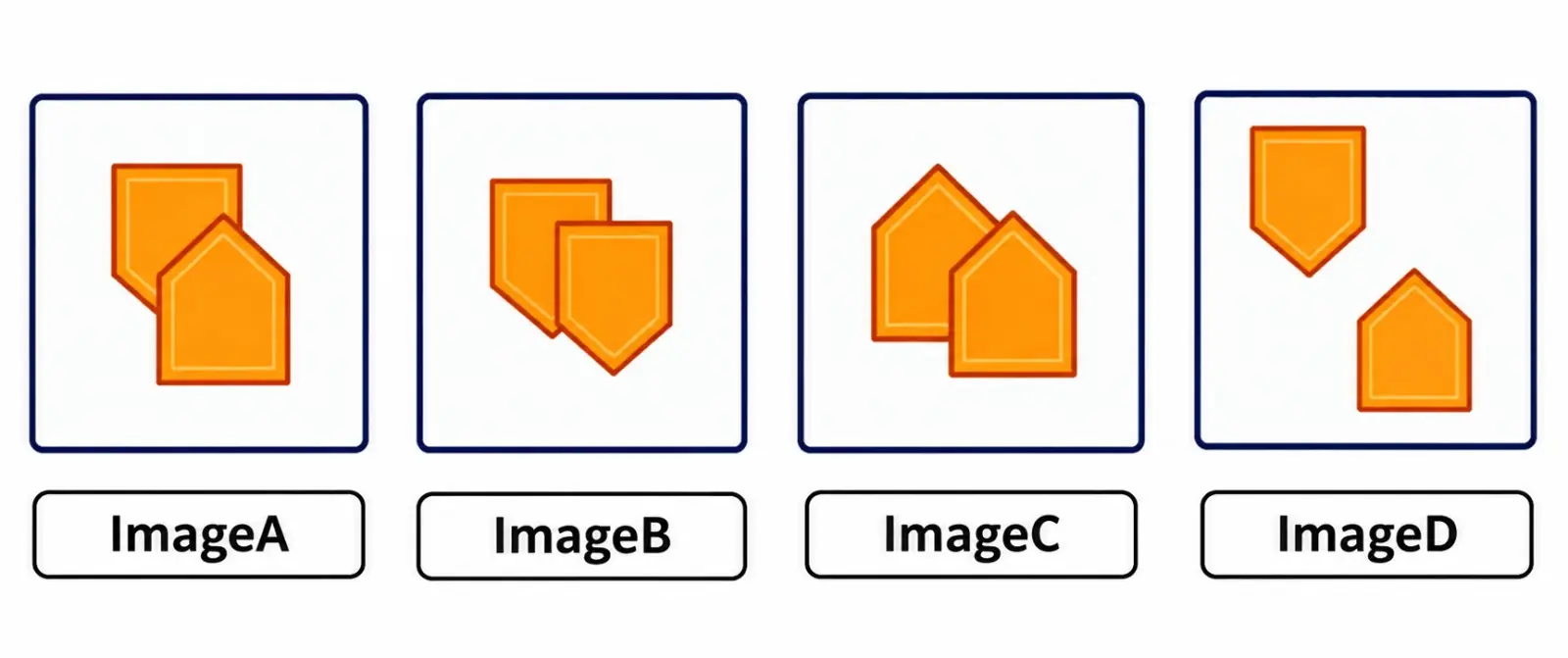
Original Aptimojo practice questions from the current CCAT question bank. These are independent preparation materials, not questions from an official assessment.
Frequently asked questions
Can I improve in one week?
You can make meaningful gains in familiarity, pacing and error control. The size of the improvement depends on your starting point and focused practice time.
How many full tests should I take in seven days?
Use one baseline and at least one later format-matched simulation. Add another only when you have enough time to review it properly.
Should I study on the morning of the test?
Use only a light warm-up if it helps you settle. Avoid exhausting practice that reduces attention for the real assessment.
Official sources
Test-format facts in this guide were checked against the assessment providers' current candidate information. Always follow the instructions in your own invitation.